

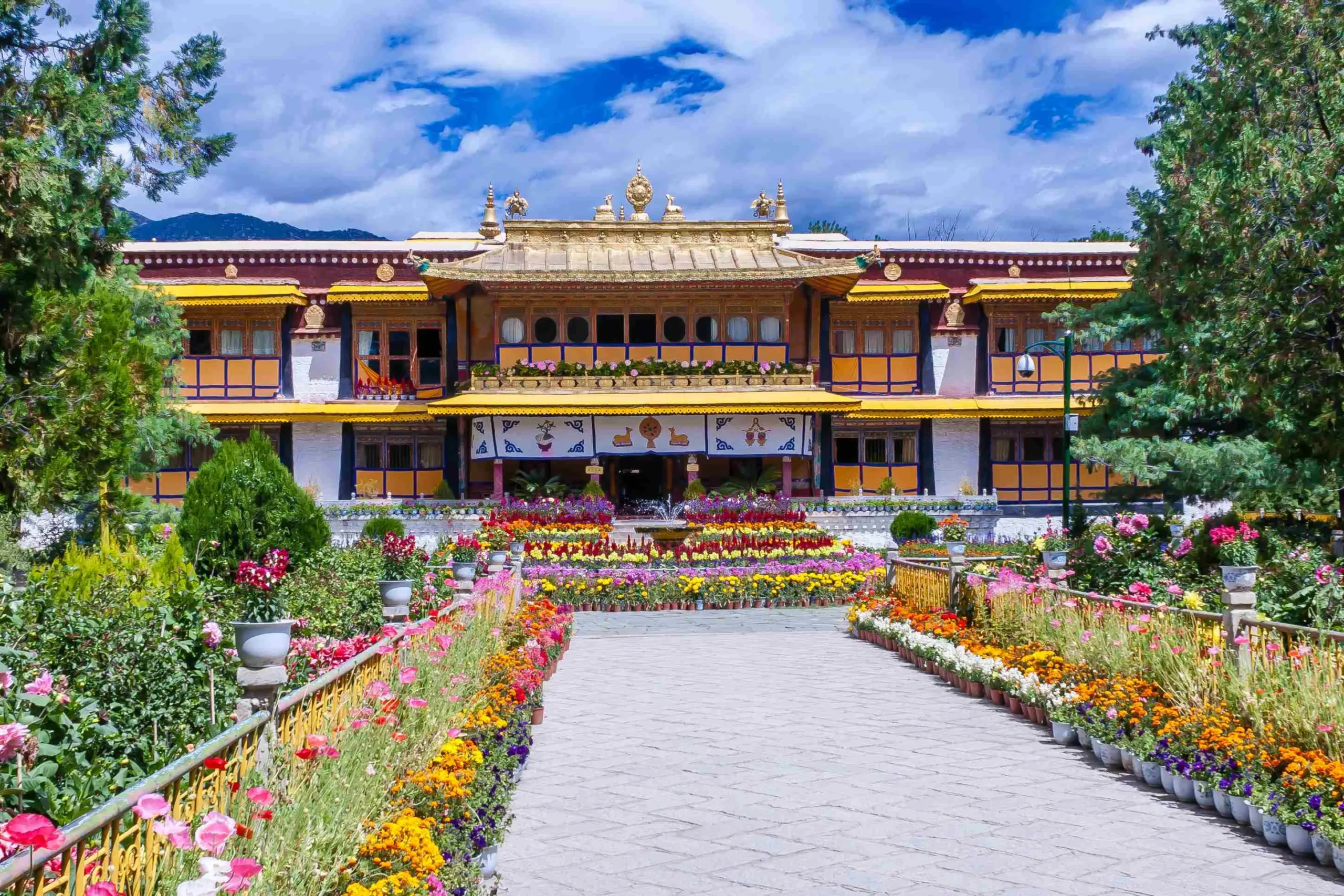
Norbulingka
Literally the Jewelled Park, this drew inspiration from the Dalai Lama’s summer palace and is a fine example of Tibetan craftsmanship. It is an institute that was established to preserve and teach ancient Tibetan arts. Among the teachings are thangka making, statue making, carpentry, traditional Tibetan image sculpting, woodcarving and metal crafting. The thangkas are bright illustrations of traditional Tibetan gods created as per details laid down in the ancient manuscripts. You can also place orders for these in the painting department. Open from: Craft department timings – 8.00 am-5.00 pm (Sunday closed) Showroom timings – 9.00 am-6.00 pm (closed for lunch, 12 noon-1.00 pm)
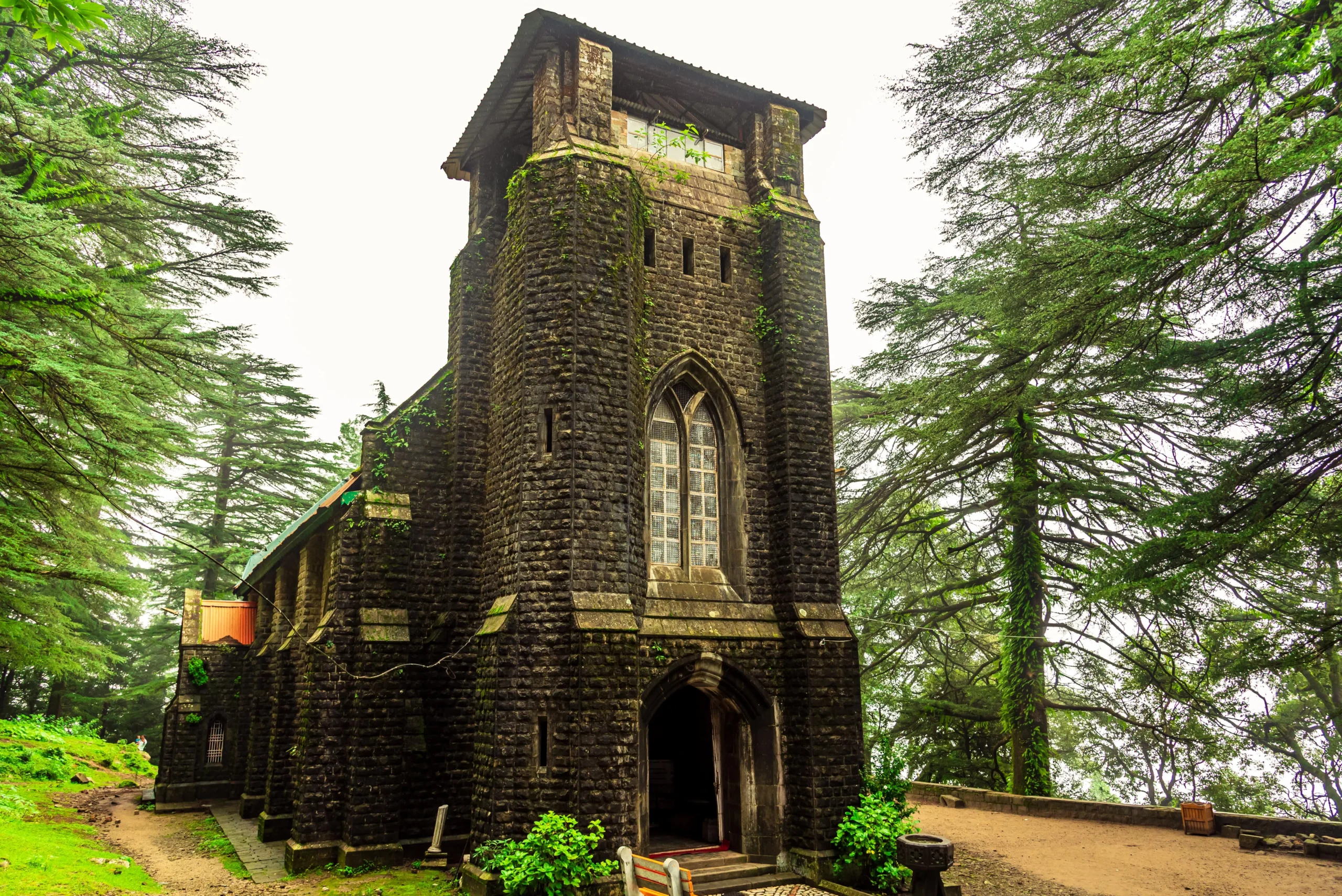
Church of St John-in-the-Wilderness
Located a little outside Little Lhasa en route to Lower Dharamsala, this church stands silent amidst towering oaks and deodars. An old, though well-built structure, it has withstood the attacks of time and comes across as a neo-gothic church with exquisite stained glass windows showcasing John the Baptist with Jesus. The graveyard adjacent to it is the resting place of the British Viceroy Lord Elgin, and is marked by a miniature marble cathedral-like structure. Open from: 10.00 am-5.00 pm Service timings – Sunday, 10.00 am
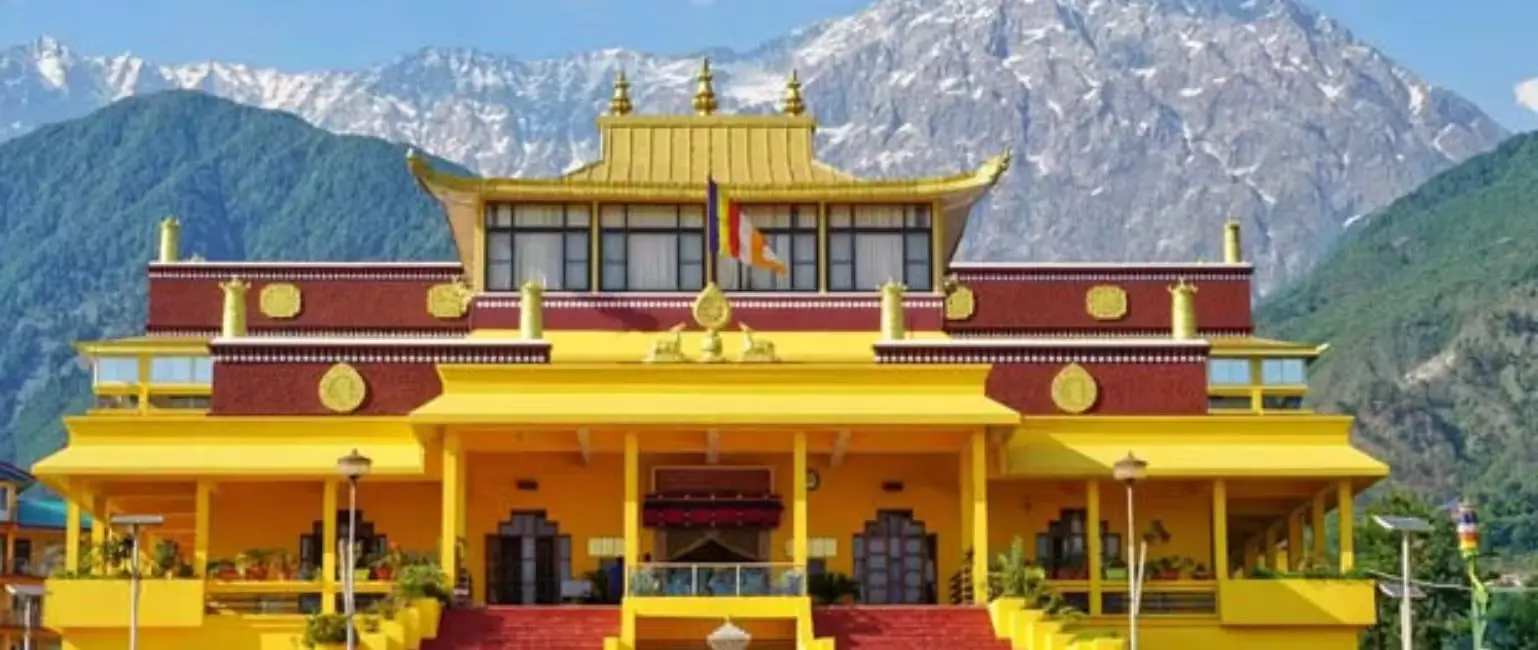
Tsuglakhang
This is the main temple complex in Dharamsala, built without cutting a single tree! In fact it is based on trunks of growing deodars, held in place by adjustable iron rings. The main deity inside is a 9 ft high gilded Buddha on a lotus seat. Also located within are 12 ft high gold images of the Padmasambhava and Avalokiteshwara. In fact, it is believed that some elements of the temple were brought from the originalTsuglakhang in Tibet. The temple also provides beautiful views of the neighbouring Dhauladar peaks. Evening is the best time to visit it when prayers and other rituals are conducted by the Dalai Lama. The courtyard is the centre of activities as the monks make preparations for the Kalachakra ceremony. The café here is also the best place to try out some Tibetan herbal tea and South Indian coffee.
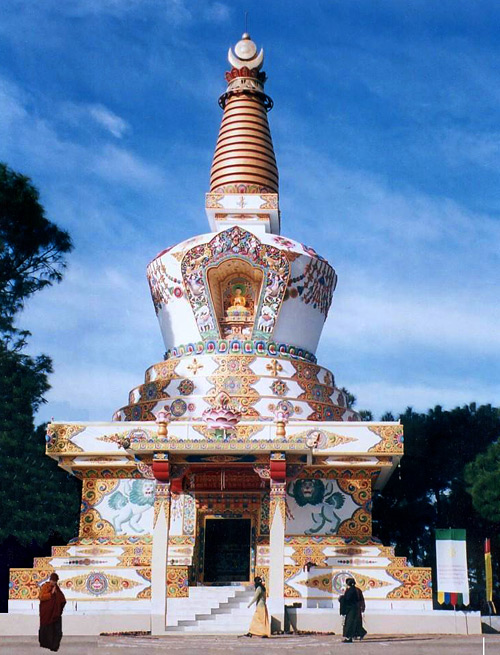
Namgyalma Stupa
This Buddhist stupa is surrounded by prayer wheels, located centrally in McLeod Ganj. It is dedicated to the Tibetans who lost their lives fighting for their homeland. There is a shrine with an idol of the Sakyamani Buddha and reflecting a typical indo-Tibetan style of architecture. This stupa is a hub of activity through the day as you watch devotees turning turn the prayer wheels and chant mantras. Stupas originated as pre-Buddhist tumuli in which śramaṇas were buried in a seated position called chaitya. After the parinirvana of the Buddha, his remains were cremated and the ashes divided and buried under eight mounds with two further mounds encasing the urn and the embers. The earliest archaeological evidence for the presence of Buddhist stupas dates to the late 4th century BCE in India. Buddhist scriptures claim that stupas were built at least a century earlier. Since it is likely that before this time stupas were built with non-durable materials such as wood, or that they were merely burial mounds, little is known about them, particularly since it has not been possible to identify the original ten monuments. However, some later stupas, such as at Sarnath and Sanchi, seem to be embellishments of earlier mounds. The earliest evidence of monastic stupas dates back to the 2nd century BCE. These are stupas that were built within Buddhist monastic complexes and they replicate in stone older stupas made of baked bricks and timber. Sanchi, Sarnath, Amaravati and Bharhut are examples of stupas that were shaped in stone imitating previously existing wooden parts.
Losel Doll Museum
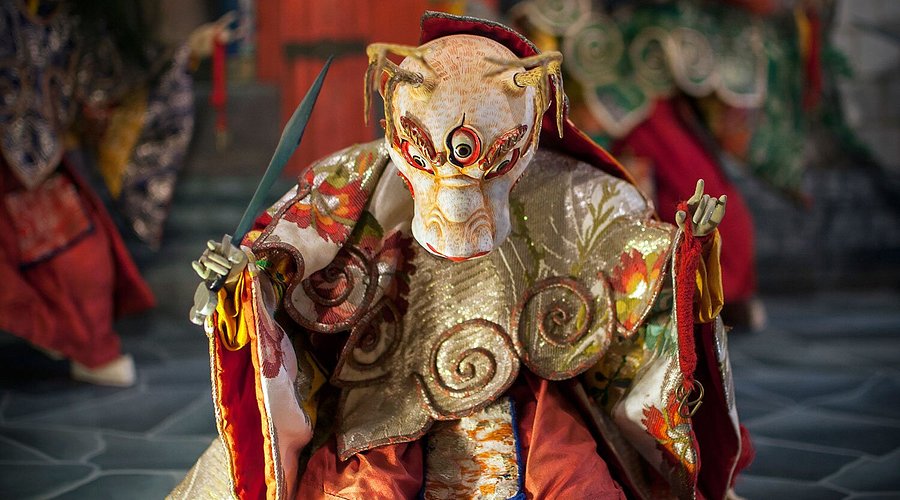
Located inside the Norbunlingka Institute, this doll museum houses more than 160 different dolls. It is probably the best place where you can get a glimpse of the original Tibetan costumes, most of which don’t exist in reality anymore. Norbulingka Institute is fortunate to be the home of the Losel Doll Museum, the world's largest collection of Losel Dolls. These beautiful collectors' items are hand-crafted by monks of the Drepung Loseling monastery. The Losel Doll project was started in 1983 as a way of preserving the tradition of Tibetan costumes, while making innovative use of the artistic heritage for which many monks were known in Tibet. Losel dolls have been showcased in the US, Europe and Asia, and several museums have purchased collections for permanent display. Open from: 9.00 am-6.00 pm (closed for lunch, noon-1 pm)
Relax in our luxury bars with great drinks
Tibetan Institute of Performing Arts
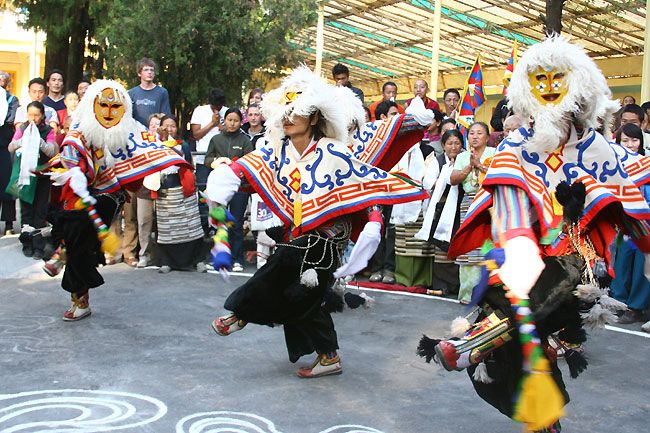
This institute was established as early as 1959 by His Holiness the Dalai Lama, as an attempt to preserve Tibet’s unique performing arts. The institute houses over 112 members proficient in various arts, singing, playing instruments and dances. Along with these, there is a handicrafts section, with produces in-house costumes and props needed for the performances. A special highlight of the TIPA is the Traditional Tibetan Opera, which hosts the annual 9-day Shoton Opera Festival marked by Lhamo performances. Performers, dance and perform to the tune of cymbals and drums, and sport vibrant Tibetan masks. Another annual festival is the 3-day Yarkyi Festival, which is held in August to commemorate the establishment of TIPA. Along with cultural performances, it is marked by sporting competitions like soccer, basketball, badminton and volleyball. To make its presence felt across the world, TIPA also organizes several tours, showcasing Tibetan culture to audience across the world.
Losel Doll Museum
Located inside the Norbunlingka Institute, this doll museum houses more than 160 different dolls. It is probably the best place where you can get a glimpse of the original Tibetan costumes, most of which don’t exist in reality anymore. Norbulingka Institute is fortunate to be the home of the Losel Doll Museum, the world's largest collection of Losel Dolls. These beautiful collectors' items are hand-crafted by monks of the Drepung Loseling monastery. The Losel Doll project was started in 1983 as a way of preserving the tradition of Tibetan costumes, while making innovative use of the artistic heritage for which many monks were known in Tibet. Losel dolls have been showcased in the US, Europe and Asia, and several museums have purchased collections for permanent display. Open from: 9.00 am-6.00 pm (closed for lunch, noon-1 pm)